
Categorias de notícias
2026-11-17
How BST Power Delivers Customized Balcony Energy Storage Solutions: From Hardware Integration to Smart Energy Management
As the balcony energy storage market continues to evolve, distributors, solar brands and energy solution providers are looking for more than standard off-the-shelf products.
They need flexible, reliable and market-ready solutions that match their customers' requirements.
From AC power output and battery capacity to inverter integration, BMS communication, WiFi connectivity and smart energy monitoring, every market may have different technical and product expectations.
So, how can you develop a balcony energy storage system that fits your market, supports your brand and meets your technical requirements?
At BST Power, we go beyond standard product supply. With OEM/ODM development capabilities covering hardware integration, software adaptation and communication protocol customization,
we work with partners to turn their product requirements into practical balcony energy storage solutions.
In this article, we will explore a real 3.5kWh / 2.4kW AC-coupled balcony energy storage ODM project and show how BST Power supports customized product development, from technical architecture to sample development.
1. The Balcony Energy Storage Market Is Moving Beyond Standard Products
Balcony solar systems have made residential solar energy more accessible, particularly for apartment residents and households with limited rooftop space.
As the market develops, consumers are increasingly looking beyond basic solar generation toward integrated solutions that can store excess electricity and use it when household demand increases.
In Europe, plug-in and balcony solar systems continue to attract attention because of their relatively accessible installation requirements and lower initial investment.
At the same time, the growing adoption of residential batteries is creating new opportunities for compact, expandable energy storage solutions.
According to SolarPower Europe's 2025 market analysis, plug-in and balcony solar systems are gaining popularity in European markets where regulations permit them.
The wider battery storage market is also evolving, with self-consumption, electricity tariff structures and energy flexibility becoming increasingly important considerations.
For distributors, solar brands and energy solution providers, this creates a new challenge:
How can you develop a balcony energy storage product that matches your target market rather than simply selling another standard battery system?
Different markets and customer groups may require different:
-
AC output power and battery capacity configurations.
-
Inverter and battery integration architectures.
-
Battery expansion options.
-
BMS and inverter communication protocols.
-
WiFi connectivity and APP monitoring functions.
-
Local grid compatibility and certification requirements.
-
Product appearance, branding and packaging.
A successful balcony ESS product therefore needs more than battery capacity and inverter power. It needs a flexible technical architecture that can adapt to different market requirements.
This is where BST Power's OEM/ODM development capabilities come into play.
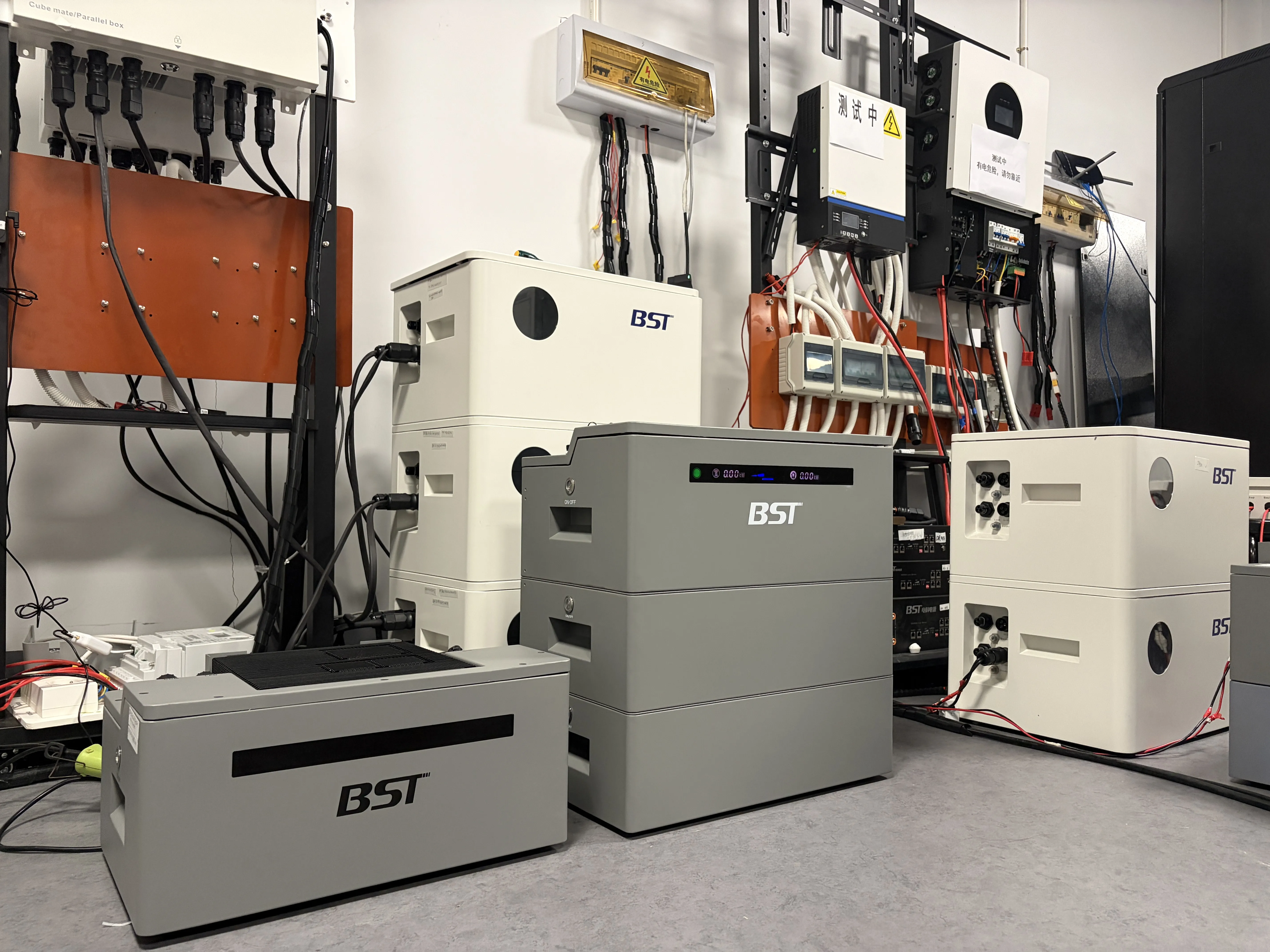
2. A Real ODM Project: 3.5kWh + 2.4kW AC-Coupled Balcony Energy Storage System
One example of BST Power's customization experience is an ODM project developed for a customer targeting the European balcony energy storage market.
The project focused on an integrated AC-coupled balcony energy storage solution, combining a 3.5kWh battery system with a 2.4kW AC power configuration, together with a 3.5kWh battery expansion pack.
Rather than simply supplying an existing standard product, BST Power worked around the customer's product requirements to coordinate hardware configuration, communication architecture and software adaptation.
Project configuration
| Item | Customized configuration |
|---|---|
| Product type | AC-coupled balcony energy storage system |
| Main system | 3.5kWh / 2.4kW |
| Expansion battery | 3.5kWh |
| Target market | Europe |
| Development model | ODM |
| Main development areas | Hardware integration, BMS, WiFi communication and software adaptation |
The project demonstrates how a manufacturer can move from a standard product platform toward a market-oriented, customized balcony ESS solution.
For a brand owner or distributor, this approach helps reduce the need to develop every component independently while maintaining flexibility over the final product configuration.
3. What Can Be Customized in a Balcony Energy Storage System?
A balcony energy storage system is not simply a battery connected to an inverter. Its performance and compatibility depend on several hardware and software components working together.
BST Power's ODM development approach covers the following areas.
3.1 Modular Hardware Integration
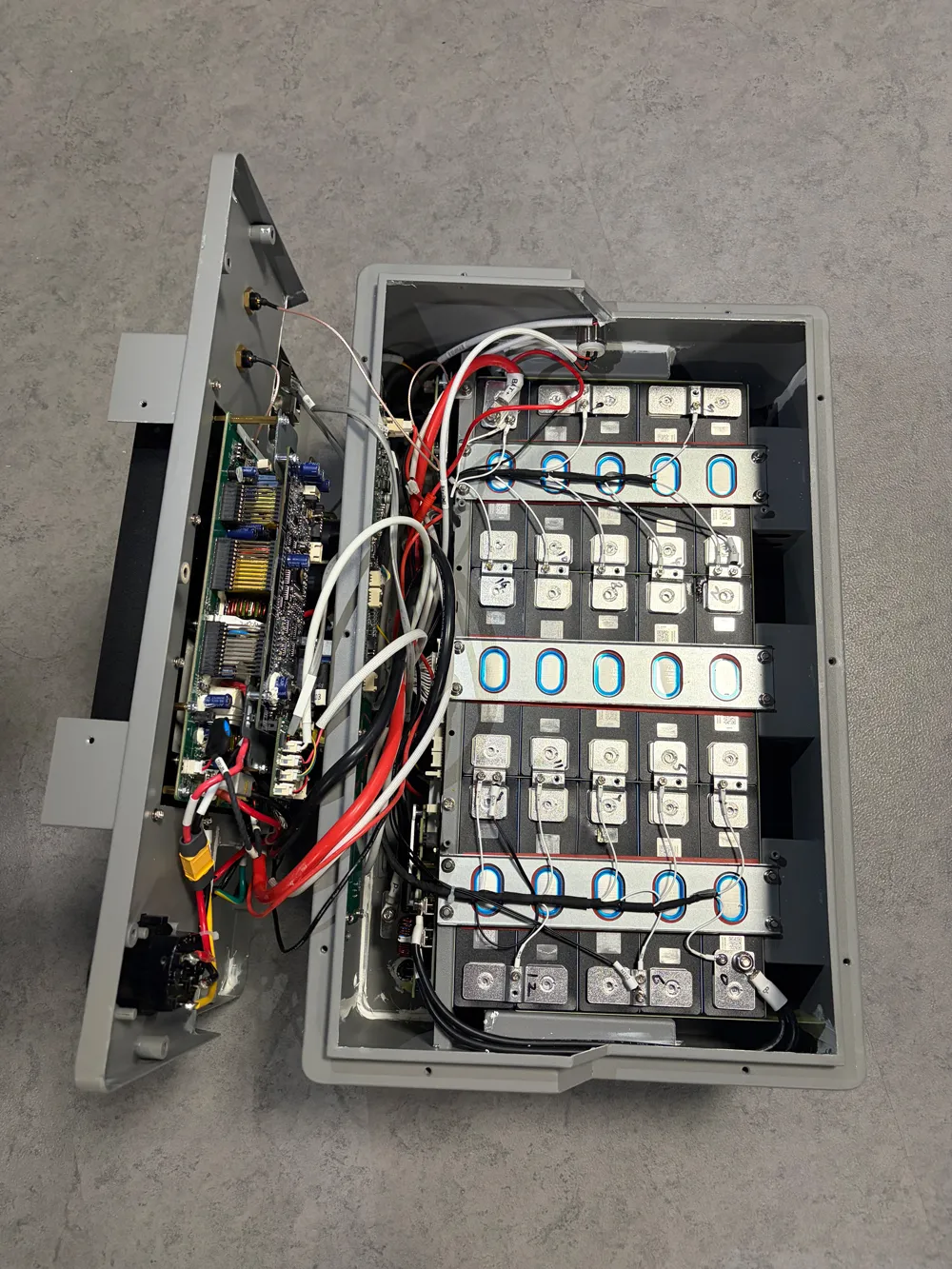
The hardware architecture of the project includes four key components:
-
Inverter module
-
Battery module
-
BMS board
-
WiFi board
These components form the foundation of the integrated energy storage system.
Depending on the customer's requirements, BST Power can evaluate the component configuration, integration method and modular structure to develop a suitable product solution.
Why does this matter to balcony ESS brands?
Different markets may have different expectations for system capacity, power output, installation space and product positioning.
A modular hardware approach makes it easier to evaluate different product configurations without necessarily redesigning the entire system.
For example, a customer may want to develop:
-
A compact balcony battery storage product for apartment users.
-
An AC-coupled battery system for existing solar installations.
-
A main unit with a separate expansion battery.
-
A branded product with a specific inverter and battery configuration.
The actual configuration should be determined by the application requirements, electrical design and applicable market standards.
3.2 Inverter and BMS Communication Customization
One of the most important technical considerations in a customized balcony ESS project is communication between the inverter and battery management system.
The BMS monitors essential battery operating parameters and provides protection and control information.
The inverter needs to communicate correctly with the battery system to coordinate charging and discharging operations.
However, different inverter platforms may use different communication protocols and data formats.
For OEM/ODM customers, this raises several questions:
-
Can the battery communicate with a specified inverter?
-
Can the communication protocol be adapted?
-
Can the BMS configuration be adjusted for a particular application?
-
Can the system support a customer's existing product architecture?
BST Power can customize the communication protocol based on the inverter architecture and project requirements.
In the reference ODM project, the inverter communication protocol was adapted as part of the overall system development.
This helps customers develop a product around their intended technical architecture instead of being restricted to a fixed standard configuration.
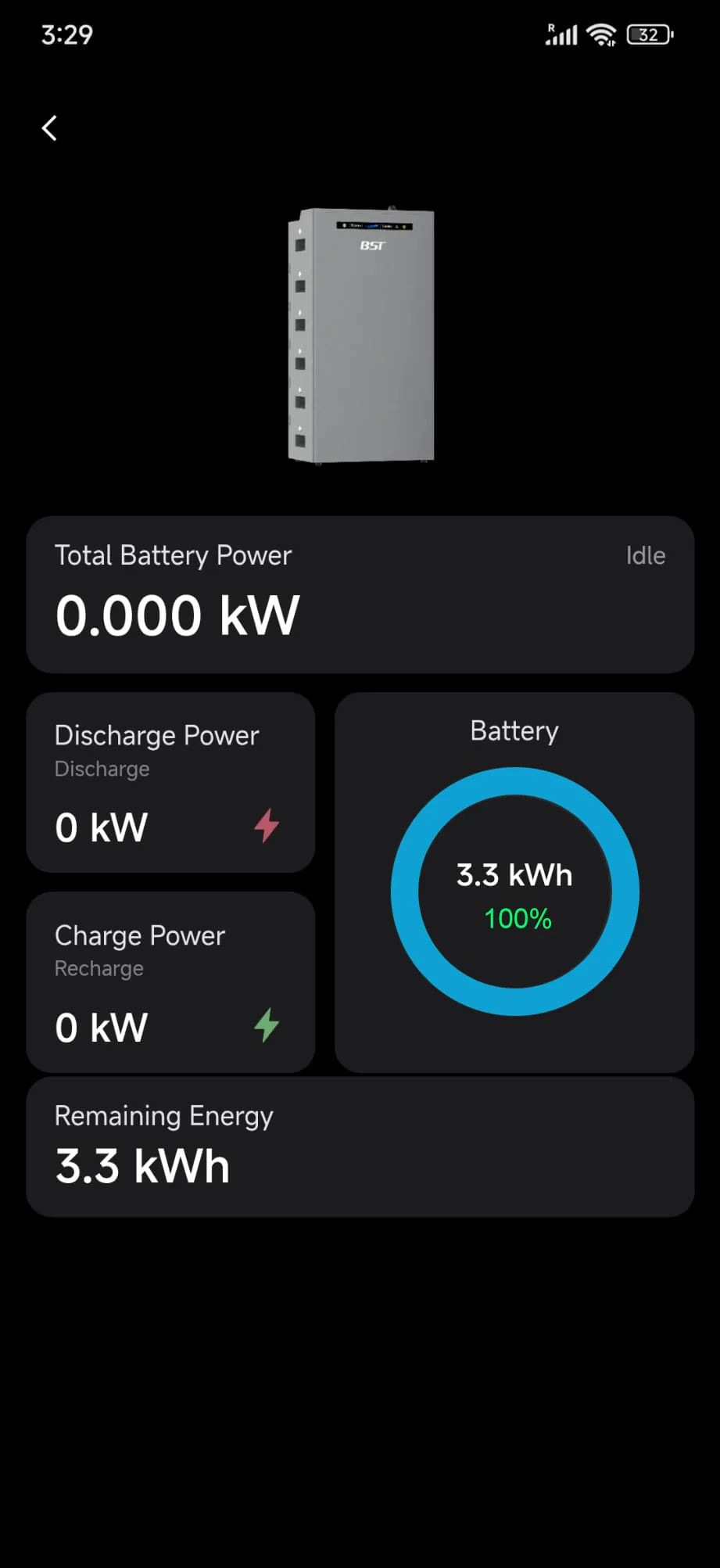
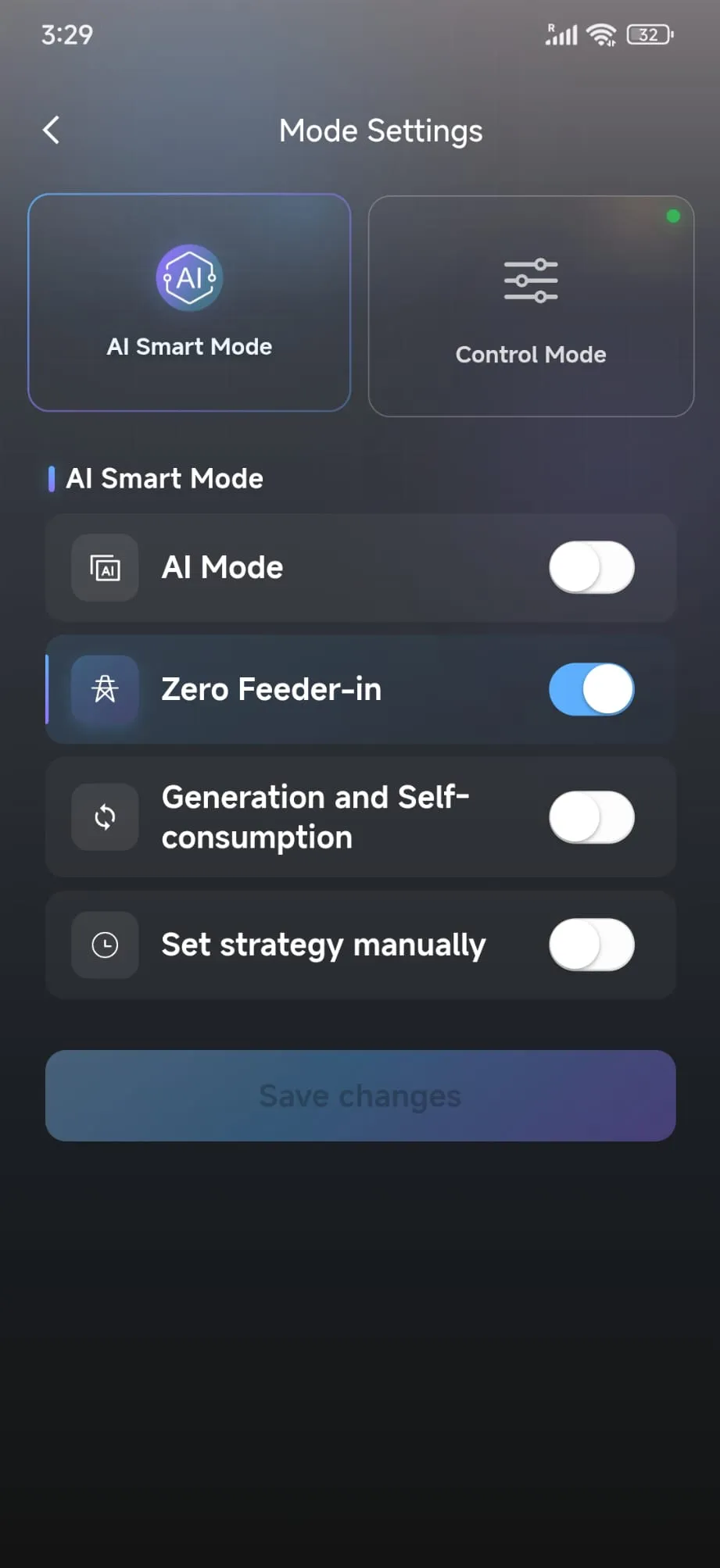
3.3 WiFi Connectivity and Smart Energy Monitoring
Smart monitoring is another important consideration for modern balcony energy storage products.
Residential users increasingly expect to understand how their solar and battery systems operate without needing to access the equipment directly.
Typical questions include:
-
Can users monitor battery status through an APP?
-
Can charging and discharging information be viewed remotely?
-
Can the system communicate with a cloud platform?
-
Can the WiFi communication protocol be adapted?
-
Can the product support a branded monitoring experience?
For manufacturers and brand owners, WiFi connectivity is not just an additional feature. It is part of the overall user experience.
BST Power supports WiFi communication protocol customization to accommodate project-specific system architectures.
The communication requirements can be evaluated together with the inverter and BMS during the product development stage.
This allows the hardware and communication architecture to be considered as one integrated solution.
3.4 Software Architecture Adaptation
Hardware compatibility alone does not guarantee a successful customized energy storage product.
The underlying software architecture must also support communication between the inverter, battery management system and other relevant components.
In the reference project, BST Power adapted the underlying software architecture of the inverter module to meet the customer's technical requirements.
This included communication-related customization rather than simply changing the product's external appearance or branding.
For customers developing their own balcony ESS product lines, this capability is particularly valuable.
It allows the product to be developed around specific technical requirements while retaining the foundation of an existing hardware platform.
4. Certification and Market Compliance: Preparing for Different European Markets
For companies entering the European balcony energy storage market, certification and regulatory compliance are among the most important considerations.
A product designed for one country or application may require additional evaluation before being introduced into another market.
Depending on the product architecture and target country, relevant standards and requirements may include:
| Area | Relevant standards or requirements |
|---|---|
| Inverter safety | IEC 62109 |
| Battery safety | IEC 62619 |
| Grid connection | EN 50549 |
| German grid connection | VDE-AR-N 4105 |
| EMC | CE-EMC requirements |
| Electromagnetic compatibility testing | IEC 61000 series |
The exact standards and applicable editions depend on the product, system configuration and destination market.
For example, customers targeting Germany may need to pay particular attention to applicable grid connection requirements, while other European markets may require different national evaluations.
It is also important to distinguish between product safety testing, EMC testing and grid connection compliance. Meeting one requirement does not automatically establish compliance with all the others.
How does BST Power support certification preparation?
BST Power can support customers with:
-
Technical documentation for the relevant product configuration.
-
Product information and component specifications.
-
Coordination of testing requirements.
-
Technical data and supporting materials for certification evaluation.
-
Technical adjustments based on applicable market requirements.
For private-label and ODM customers, battery-related documentation and responsibility allocation can also be discussed according to the project structure.
Certification should be evaluated for the final product configuration. Customers should confirm the applicable requirements before commercial launch.
5. From Customer Requirements to a Finished ODM Solution: How the Process Works
A successful ODM project requires close cooperation between the customer and the manufacturer's sales, R&D and technical teams.
BST Power's development process is designed to connect market requirements with practical product engineering.
Step 1: Understanding the Target Market
The process starts with understanding the customer's business objectives and target application.
For example:
-
Which country or region will the product enter?
-
Is it designed for new balcony solar installations or existing PV systems?
-
Is an AC-coupled architecture required?
-
What battery capacity and AC power output are expected?
-
Does the customer require a separate expansion battery?
-
Are there specific inverter, BMS or WiFi communication requirements?
These details help establish the initial technical direction.
Step 2: Technical Discussion and Solution Confirmation
After receiving the customer's requirements, the sales team coordinates with BST Power's R&D and technical support teams.
The technical team evaluates the proposed configuration, hardware architecture and communication requirements.
A preliminary product solution is then prepared for customer review.
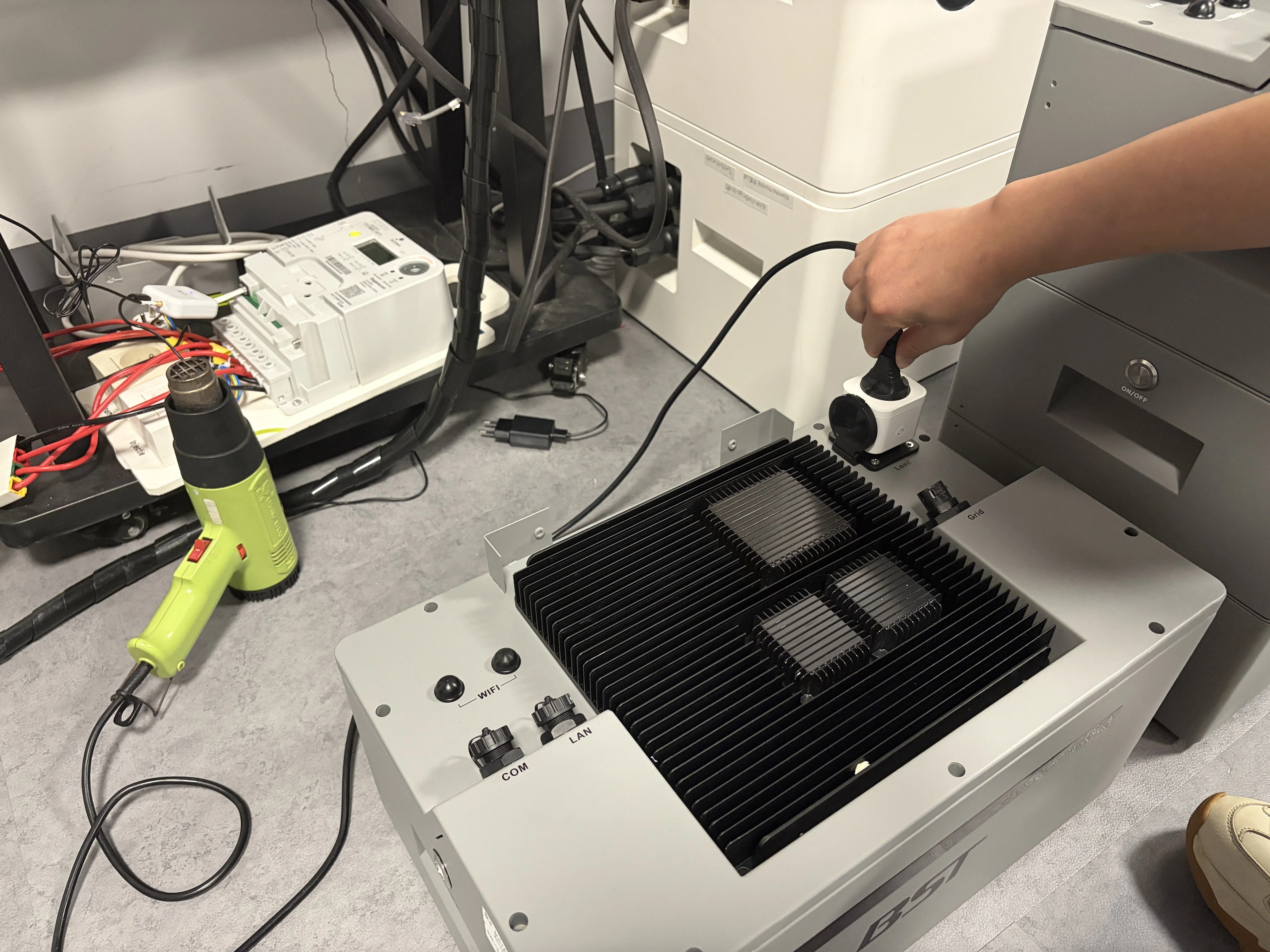
Step 3: Hardware and Software Adaptation
Once the technical direction is confirmed, the development team works on the required hardware integration and software adaptation.
This may include:
-
Inverter module configuration.
-
Battery module configuration.
-
BMS board adaptation.
-
WiFi communication protocol customization.
-
Inverter communication protocol adaptation.
-
Underlying software architecture adjustments.
The development scope depends on the customer's confirmed specifications.
Step 4: Technical Review and Sample Development
After the solution is reviewed internally, the relevant technical details are finalized for sample development.
The customer can then evaluate the proposed solution and confirm whether it meets the intended product requirements.
Any necessary adjustments can be discussed before moving to the next stage.
Step 5: Confirmation and Production Preparation
Once the customer approves the sample and technical configuration, both parties can proceed with production planning.
This creates a clearer transition from product development to repeatable manufacturing.
The purpose is not simply to create a one-time customized sample, but to establish a product solution that can support subsequent commercial orders.
6. How Long Does Balcony ESS Customization Take?
Development time and cost are two common questions from potential OEM/ODM customers.
The answer depends on how much of the existing hardware and software architecture can be reused.
In the reference 3.5kWh / 2.4kW AC-coupled project, BST Power based the development on its existing standard modules and communication architecture.
Under this project scope:
-
No separate additional R&D development cost was incurred.
-
The customization development cycle was approximately one month.
-
The reusable proportion of the existing solution was close to 100%.
These figures describe the reference project's development arrangement, not a guaranteed timeline or cost structure for every ODM project.
For projects involving new hardware, major electrical redesign, new communication architectures or additional certification requirements, the development scope and schedule will need to be evaluated separately.
The key advantage is the ability to build on an existing technical foundation rather than starting every project from zero.
This can help customers shorten product development cycles, control initial development investment and accelerate their product launch plans.
7. Why Choose BST Power as Your Balcony Energy Storage OEM/ODM Manufacturer?
Choosing an energy storage manufacturer is not only about comparing battery prices or inverter specifications.
For brands and distributors developing their own product lines, the manufacturer's engineering and customization capabilities can directly influence product differentiation and long-term cooperation.
BST Power provides support across several important development areas.
Integrated hardware development
From inverter modules and battery packs to BMS and WiFi boards, BST Power can coordinate hardware integration based on project requirements.
Communication and software adaptation
Inverter communication protocols, WiFi communication and underlying software architecture can be evaluated and customized for different system requirements.
Market-oriented product development
Technical discussions begin with the customer's target market and intended application, rather than simply offering an existing product without considering local requirements.
Certification preparation support
BST Power can provide relevant technical information and cooperate with customers on testing and certification preparation for target markets.
Reusable development architecture
Building on existing standard modules helps reduce repeated engineering work and supports more efficient product development.
Customers can discuss product configurations, branding and project-specific requirements to develop balcony energy storage solutions aligned with their own market positioning.
For customers who want to establish a branded balcony ESS product line, this combination of engineering support and manufacturing coordination can provide a practical starting point.
8. Frequently Asked Questions About Customized Balcony Energy Storage Systems
Q1: Can BST Power develop a customized AC-coupled balcony energy storage system?
Yes. BST Power has experience developing a 3.5kWh / 2.4kW AC-coupled balcony energy storage solution with a 3.5kWh expansion battery for the European market.
Other configurations can be evaluated according to the customer's technical requirements.
Q2: Can the inverter communication protocol be customized?
Yes. Inverter communication protocol adaptation can be discussed based on the selected inverter architecture, BMS requirements and communication specifications.
Q3: Can BST Power customize the BMS and WiFi communication?
BST Power can support BMS-related hardware integration and WiFi communication protocol customization as part of an ODM project.
The exact scope depends on the required functionality and system architecture.
Q4: Can I develop a balcony ESS product under my own brand?
Yes. BST Power supports OEM/ODM cooperation for customers developing their own energy storage product lines.
Branding, product configuration and relevant technical requirements can be discussed during the project evaluation stage.
Q5: Can one standard product platform be adapted for different European markets?
An existing platform can be evaluated and adapted according to the technical and regulatory requirements of each target market.
However, different grid connection requirements and certification conditions must be reviewed individually. A single configuration should not be assumed to meet every country's requirements automatically.
Q6: How long does an ODM balcony energy storage project take?
The reference 3.5kWh / 2.4kW project completed its customization development in approximately one month using existing standard modules.
The actual timeline depends on the development scope, sample validation and applicable testing requirements.
Q7: Does customization always require additional R&D costs?
Not necessarily. When a project can be implemented using existing standard modules and reusable software architecture, separate additional R&D development costs may not be required.
New hardware development, major software changes and additional testing may involve separate costs, which should be confirmed during technical evaluation.
9. Develop Your Next Balcony Energy Storage Product with BST Power
The balcony energy storage market is becoming more diverse. Different distributors, installers and energy brands need products that reflect their local market conditions, customer expectations and technical requirements.
A competitive balcony ESS product requires more than a battery and an inverter. It requires the right hardware configuration, reliable communication architecture, appropriate software integration and a clear path toward market compliance.
With experience in AC-coupled balcony energy storage ODM development, modular hardware integration, BMS and WiFi communication adaptation, BST Power works with customers to turn product requirements into practical energy storage solutions.
Looking for a balcony energy storage OEM/ODM manufacturer for your next product line?
Contact BST Power to discuss your target market, preferred system configuration and customization requirements.
BST Power – Your Energy Storage Manufacturing and OEM/ODM Partner.
Website: https://www.bstess.com/
As the balcony energy storage market continues to evolve, distributors, solar brands and energy solution providers are looking for more than standard off-the-shelf products.
They need flexible, reliable and market-ready solutions that match their customers' requirements.
From AC power output and battery capacity to inverter integration, BMS communication, WiFi connectivity and smart energy monitoring, every market may have different technical and product expectations.
So, how can you develop a balcony energy storage system that fits your market, supports your brand and meets your technical requirements?
At BST Power, we go beyond standard product supply. With OEM/ODM development capabilities covering hardware integration, software adaptation and communication protocol customization,
we work with partners to turn their product requirements into practical balcony energy storage solutions.
In this article, we will explore a real 3.5kWh / 2.4kW AC-coupled balcony energy storage ODM project and show how BST Power supports customized product development, from technical architecture to sample development.
1. The Balcony Energy Storage Market Is Moving Beyond Standard Products
Balcony solar systems have made residential solar energy more accessible, particularly for apartment residents and households with limited rooftop space.
As the market develops, consumers are increasingly looking beyond basic solar generation toward integrated solutions that can store excess electricity and use it when household demand increases.
In Europe, plug-in and balcony solar systems continue to attract attention because of their relatively accessible installation requirements and lower initial investment.
At the same time, the growing adoption of residential batteries is creating new opportunities for compact, expandable energy storage solutions.
According to SolarPower Europe's 2025 market analysis, plug-in and balcony solar systems are gaining popularity in European markets where regulations permit them.
The wider battery storage market is also evolving, with self-consumption, electricity tariff structures and energy flexibility becoming increasingly important considerations.
For distributors, solar brands and energy solution providers, this creates a new challenge:
How can you develop a balcony energy storage product that matches your target market rather than simply selling another standard battery system?
Different markets and customer groups may require different:
-
AC output power and battery capacity configurations.
-
Inverter and battery integration architectures.
-
Battery expansion options.
-
BMS and inverter communication protocols.
-
WiFi connectivity and APP monitoring functions.
-
Local grid compatibility and certification requirements.
-
Product appearance, branding and packaging.
A successful balcony ESS product therefore needs more than battery capacity and inverter power. It needs a flexible technical architecture that can adapt to different market requirements.
This is where BST Power's OEM/ODM development capabilities come into play.
2. A Real ODM Project: 3.5kWh + 2.4kW AC-Coupled Balcony Energy Storage System
One example of BST Power's customization experience is an ODM project developed for a customer targeting the European balcony energy storage market.
The project focused on an integrated AC-coupled balcony energy storage solution, combining a 3.5kWh battery system with a 2.4kW AC power configuration, together with a 3.5kWh battery expansion pack.
Rather than simply supplying an existing standard product, BST Power worked around the customer's product requirements to coordinate hardware configuration, communication architecture and software adaptation.
Project configuration
| Item | Customized configuration |
|---|---|
| Product type | AC-coupled balcony energy storage system |
| Main system | 3.5kWh / 2.4kW |
| Expansion battery | 3.5kWh |
| Target market | Europe |
| Development model | ODM |
| Main development areas | Hardware integration, BMS, WiFi communication and software adaptation |
The project demonstrates how a manufacturer can move from a standard product platform toward a market-oriented, customized balcony ESS solution.
For a brand owner or distributor, this approach helps reduce the need to develop every component independently while maintaining flexibility over the final product configuration.
3. What Can Be Customized in a Balcony Energy Storage System?
A balcony energy storage system is not simply a battery connected to an inverter. Its performance and compatibility depend on several hardware and software components working together.
BST Power's ODM development approach covers the following areas.
3.1 Modular Hardware Integration
The hardware architecture of the project includes four key components:
-
Inverter module
-
Battery module
-
BMS board
-
WiFi board
These components form the foundation of the integrated energy storage system.
Depending on the customer's requirements, BST Power can evaluate the component configuration, integration method and modular structure to develop a suitable product solution.
Why does this matter to balcony ESS brands?
Different markets may have different expectations for system capacity, power output, installation space and product positioning.
A modular hardware approach makes it easier to evaluate different product configurations without necessarily redesigning the entire system.
For example, a customer may want to develop:
-
A compact balcony battery storage product for apartment users.
-
An AC-coupled battery system for existing solar installations.
-
A main unit with a separate expansion battery.
-
A branded product with a specific inverter and battery configuration.
The actual configuration should be determined by the application requirements, electrical design and applicable market standards.
3.2 Inverter and BMS Communication Customization
One of the most important technical considerations in a customized balcony ESS project is communication between the inverter and battery management system.
The BMS monitors essential battery operating parameters and provides protection and control information.
The inverter needs to communicate correctly with the battery system to coordinate charging and discharging operations.
However, different inverter platforms may use different communication protocols and data formats.
For OEM/ODM customers, this raises several questions:
-
Can the battery communicate with a specified inverter?
-
Can the communication protocol be adapted?
-
Can the BMS configuration be adjusted for a particular application?
-
Can the system support a customer's existing product architecture?
BST Power can customize the communication protocol based on the inverter architecture and project requirements.
In the reference ODM project, the inverter communication protocol was adapted as part of the overall system development.
This helps customers develop a product around their intended technical architecture instead of being restricted to a fixed standard configuration.
3.3 WiFi Connectivity and Smart Energy Monitoring
Smart monitoring is another important consideration for modern balcony energy storage products.
Residential users increasingly expect to understand how their solar and battery systems operate without needing to access the equipment directly.
Typical questions include:
-
Can users monitor battery status through an APP?
-
Can charging and discharging information be viewed remotely?
-
Can the system communicate with a cloud platform?
-
Can the WiFi communication protocol be adapted?
-
Can the product support a branded monitoring experience?
For manufacturers and brand owners, WiFi connectivity is not just an additional feature. It is part of the overall user experience.
BST Power supports WiFi communication protocol customization to accommodate project-specific system architectures.
The communication requirements can be evaluated together with the inverter and BMS during the product development stage.
This allows the hardware and communication architecture to be considered as one integrated solution.
3.4 Software Architecture Adaptation
Hardware compatibility alone does not guarantee a successful customized energy storage product.
The underlying software architecture must also support communication between the inverter, battery management system and other relevant components.
In the reference project, BST Power adapted the underlying software architecture of the inverter module to meet the customer's technical requirements.
This included communication-related customization rather than simply changing the product's external appearance or branding.
For customers developing their own balcony ESS product lines, this capability is particularly valuable.
It allows the product to be developed around specific technical requirements while retaining the foundation of an existing hardware platform.
4. Certification and Market Compliance: Preparing for Different European Markets
For companies entering the European balcony energy storage market, certification and regulatory compliance are among the most important considerations.
A product designed for one country or application may require additional evaluation before being introduced into another market.
Depending on the product architecture and target country, relevant standards and requirements may include:
| Area | Relevant standards or requirements |
|---|---|
| Inverter safety | IEC 62109 |
| Battery safety | IEC 62619 |
| Grid connection | EN 50549 |
| German grid connection | VDE-AR-N 4105 |
| EMC | CE-EMC requirements |
| Electromagnetic compatibility testing | IEC 61000 series |
The exact standards and applicable editions depend on the product, system configuration and destination market.
For example, customers targeting Germany may need to pay particular attention to applicable grid connection requirements, while other European markets may require different national evaluations.
It is also important to distinguish between product safety testing, EMC testing and grid connection compliance. Meeting one requirement does not automatically establish compliance with all the others.
How does BST Power support certification preparation?
BST Power can support customers with:
-
Technical documentation for the relevant product configuration.
-
Product information and component specifications.
-
Coordination of testing requirements.
-
Technical data and supporting materials for certification evaluation.
-
Technical adjustments based on applicable market requirements.
For private-label and ODM customers, battery-related documentation and responsibility allocation can also be discussed according to the project structure.
Certification should be evaluated for the final product configuration. Customers should confirm the applicable requirements before commercial launch.
5. From Customer Requirements to a Finished ODM Solution: How the Process Works
A successful ODM project requires close cooperation between the customer and the manufacturer's sales, R&D and technical teams.
BST Power's development process is designed to connect market requirements with practical product engineering.
Step 1: Understanding the Target Market
The process starts with understanding the customer's business objectives and target application.
For example:
-
Which country or region will the product enter?
-
Is it designed for new balcony solar installations or existing PV systems?
-
Is an AC-coupled architecture required?
-
What battery capacity and AC power output are expected?
-
Does the customer require a separate expansion battery?
-
Are there specific inverter, BMS or WiFi communication requirements?
These details help establish the initial technical direction.
Step 2: Technical Discussion and Solution Confirmation
After receiving the customer's requirements, the sales team coordinates with BST Power's R&D and technical support teams.
The technical team evaluates the proposed configuration, hardware architecture and communication requirements.
A preliminary product solution is then prepared for customer review.
Step 3: Hardware and Software Adaptation
Once the technical direction is confirmed, the development team works on the required hardware integration and software adaptation.
This may include:
-
Inverter module configuration.
-
Battery module configuration.
-
BMS board adaptation.
-
WiFi communication protocol customization.
-
Inverter communication protocol adaptation.
-
Underlying software architecture adjustments.
The development scope depends on the customer's confirmed specifications.
Step 4: Technical Review and Sample Development
After the solution is reviewed internally, the relevant technical details are finalized for sample development.
The customer can then evaluate the proposed solution and confirm whether it meets the intended product requirements.
Any necessary adjustments can be discussed before moving to the next stage.
Step 5: Confirmation and Production Preparation
Once the customer approves the sample and technical configuration, both parties can proceed with production planning.
This creates a clearer transition from product development to repeatable manufacturing.
The purpose is not simply to create a one-time customized sample, but to establish a product solution that can support subsequent commercial orders.
6. How Long Does Balcony ESS Customization Take?
Development time and cost are two common questions from potential OEM/ODM customers.
The answer depends on how much of the existing hardware and software architecture can be reused.
In the reference 3.5kWh / 2.4kW AC-coupled project, BST Power based the development on its existing standard modules and communication architecture.
Under this project scope:
-
No separate additional R&D development cost was incurred.
-
The customization development cycle was approximately one month.
-
The reusable proportion of the existing solution was close to 100%.
These figures describe the reference project's development arrangement, not a guaranteed timeline or cost structure for every ODM project.
For projects involving new hardware, major electrical redesign, new communication architectures or additional certification requirements, the development scope and schedule will need to be evaluated separately.
The key advantage is the ability to build on an existing technical foundation rather than starting every project from zero.
This can help customers shorten product development cycles, control initial development investment and accelerate their product launch plans.
7. Why Choose BST Power as Your Balcony Energy Storage OEM/ODM Manufacturer?
Choosing an energy storage manufacturer is not only about comparing battery prices or inverter specifications.
For brands and distributors developing their own product lines, the manufacturer's engineering and customization capabilities can directly influence product differentiation and long-term cooperation.
BST Power provides support across several important development areas.
Integrated hardware development
From inverter modules and battery packs to BMS and WiFi boards, BST Power can coordinate hardware integration based on project requirements.
Communication and software adaptation
Inverter communication protocols, WiFi communication and underlying software architecture can be evaluated and customized for different system requirements.
Market-oriented product development
Technical discussions begin with the customer's target market and intended application, rather than simply offering an existing product without considering local requirements.
Certification preparation support
BST Power can provide relevant technical information and cooperate with customers on testing and certification preparation for target markets.
Reusable development architecture
Building on existing standard modules helps reduce repeated engineering work and supports more efficient product development.
Customers can discuss product configurations, branding and project-specific requirements to develop balcony energy storage solutions aligned with their own market positioning.
For customers who want to establish a branded balcony ESS product line, this combination of engineering support and manufacturing coordination can provide a practical starting point.
8. Frequently Asked Questions About Customized Balcony Energy Storage Systems
Q1: Can BST Power develop a customized AC-coupled balcony energy storage system?
Yes. BST Power has experience developing a 3.5kWh / 2.4kW AC-coupled balcony energy storage solution with a 3.5kWh expansion battery for the European market.
Other configurations can be evaluated according to the customer's technical requirements.
Q2: Can the inverter communication protocol be customized?
Yes. Inverter communication protocol adaptation can be discussed based on the selected inverter architecture, BMS requirements and communication specifications.
Q3: Can BST Power customize the BMS and WiFi communication?
BST Power can support BMS-related hardware integration and WiFi communication protocol customization as part of an ODM project.
The exact scope depends on the required functionality and system architecture.
Q4: Can I develop a balcony ESS product under my own brand?
Yes. BST Power supports OEM/ODM cooperation for customers developing their own energy storage product lines.
Branding, product configuration and relevant technical requirements can be discussed during the project evaluation stage.
Q5: Can one standard product platform be adapted for different European markets?
An existing platform can be evaluated and adapted according to the technical and regulatory requirements of each target market.
However, different grid connection requirements and certification conditions must be reviewed individually. A single configuration should not be assumed to meet every country's requirements automatically.
Q6: How long does an ODM balcony energy storage project take?
The reference 3.5kWh / 2.4kW project completed its customization development in approximately one month using existing standard modules.
The actual timeline depends on the development scope, sample validation and applicable testing requirements.
Q7: Does customization always require additional R&D costs?
Not necessarily. When a project can be implemented using existing standard modules and reusable software architecture, separate additional R&D development costs may not be required.
New hardware development, major software changes and additional testing may involve separate costs, which should be confirmed during technical evaluation.
9. Develop Your Next Balcony Energy Storage Product with BST Power
The balcony energy storage market is becoming more diverse. Different distributors, installers and energy brands need products that reflect their local market conditions, customer expectations and technical requirements.
A competitive balcony ESS product requires more than a battery and an inverter. It requires the right hardware configuration, reliable communication architecture, appropriate software integration and a clear path toward market compliance.
With experience in AC-coupled balcony energy storage ODM development, modular hardware integration, BMS and WiFi communication adaptation, BST Power works with customers to turn product requirements into practical energy storage solutions.
Looking for a balcony energy storage OEM/ODM manufacturer for your next product line?
Contact BST Power to discuss your target market, preferred system configuration and customization requirements.
BST Power – Your Energy Storage Manufacturing and OEM/ODM Partner.
Website: https://www.bstess.com/
Anterior:NÃO MAIS